
IT Architecture Review
Spot structural weaknesses in how your systems, data flows and integrations fit together.
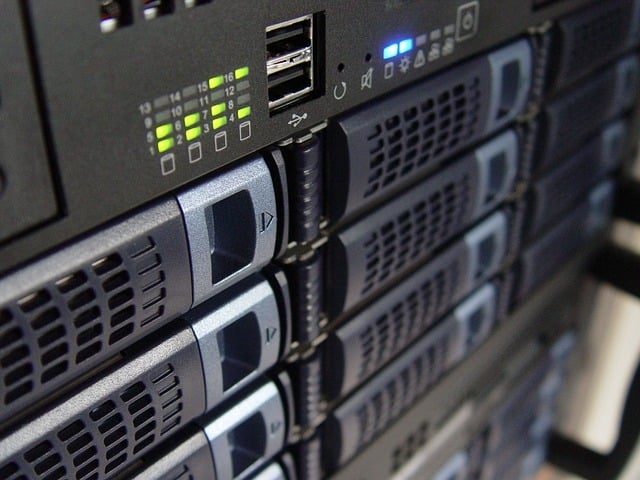
An IT architecture review involves evaluating the design, structure, and components of an organization’s information technology (IT) architecture to ensure alignment with business objectives, best practices, and industry standards. The review aims to identify strengths, weaknesses, risks, and opportunities for improvement within the IT infrastructure and systems.
Here’s a general outline of the process involved in conducting an IT architecture review:
General outline of the review process
01
Define Objectives and Scope
Clearly define the objectives of the architecture review, such as assessing security, scalability, performance, or alignment with business goals. Determine the scope of the review, including the systems, applications, networks, and technologies to be assessed.
02
Gather Information
Collect relevant documentation, such as architectural diagrams, system designs, network layouts, and technology standards. Interview key stakeholders, including IT personnel, business leaders, and end-users, to understand requirements, challenges, and priorities.
03
Assess Architecture Components
Evaluate the different components of the IT architecture, including hardware, software, networks, databases, cloud services, and integration points. Assess the design principles, scalability, reliability, performance, security, and compliance of each component.
04
Review Security Controls
Assess the effectiveness of security controls and measures implemented within the IT architecture. This includes reviewing access controls, encryption mechanisms, authentication methods, intrusion detection systems, and incident response procedures.
05
Evaluate Technology Stack
Review the technology stack used within the organization, including operating systems, middleware, databases, programming languages, and development frameworks. Assess the suitability of technology choices based on factors such as vendor support, compatibility, and future roadmap.
06
Assess Integration and Interoperability
Evaluate how different systems and components within the IT architecture interact and exchange data. Assess integration points, data formats, APIs, and compatibility between systems to ensure seamless interoperability.
07
Identify Risks and Issues
Identify potential risks, vulnerabilities, and weaknesses within the IT architecture that may impact performance, security, or compliance. Prioritize risks based on severity and likelihood of occurrence.
08
Recommendations for Improvement
Based on the findings of the review, provide recommendations for improving the IT architecture. These recommendations may include technology upgrades, security enhancements, process improvements, or organizational changes.
09
Develop Roadmap
Create a roadmap for implementing recommended changes and improvements to the IT architecture. Prioritize initiatives based on business impact, resource availability, and strategic objectives.
10
Report and Presentation
Prepare a comprehensive report summarizing the findings, recommendations, and roadmap for improvement. Present the findings to relevant stakeholders, including IT leadership, business executives, and board members.
Interested in this service?
Get in touch with our team to learn more.